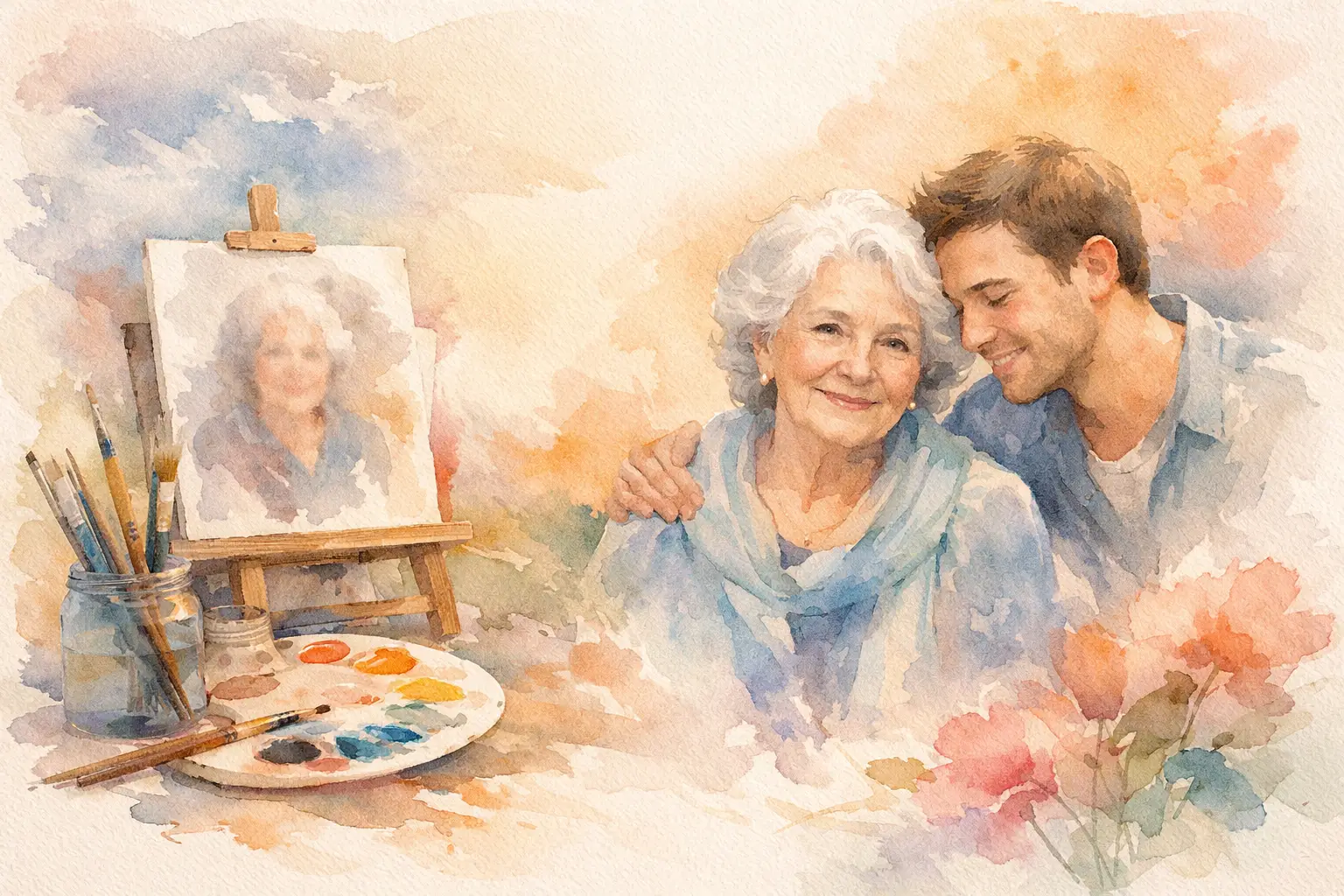
Some photos become more precious after loss. They are not always perfect images. Sometimes the lighting is dim, the pose is casual, or the background is cluttered. But the expression is right. The feeling is there. A painted memorial portrait from photo takes that meaningful moment and transforms it into something lasting, personal, and beautifully made.
When families, pet owners, and loved ones commission memorial artwork, they are rarely shopping for decoration alone. They are looking for a way to keep someone close, to honor a bond, and to see a treasured memory handled with real care. That is why the best memorial portraits are not just accurate. They are thoughtful. They reflect the spirit of the person or pet being remembered, while also giving the client something comforting to live with every day.
Why a painted memorial portrait from photo feels different
A photograph captures an instant. A painting can hold an atmosphere. That difference matters when the goal is remembrance.
With a memorial portrait, the artist is not simply copying a snapshot. She is interpreting what made that face, posture, or glance so loved in the first place. A painted portrait can soften harsh lighting, remove distractions, adjust composition, and create a more timeless presentation than the original photo may offer. The result often feels more intimate than a print because it has been made by hand, brushstroke by brushstroke, for one specific person and one specific story.
That handmade quality is part of the emotional value. People often say they want something that feels worthy of the memory. A custom painting answers that need in a way mass-produced memorial gifts usually cannot. It becomes an heirloom, not a placeholder.
Choosing the right photo for a memorial painting
Many clients worry that they do not have the perfect reference image. In reality, a strong memorial portrait can begin with an everyday photo if the expression is clear and recognizable.
What helps most is a photo that shows the eyes well and captures the personality of the subject. For a pet, that might mean an alert look, a familiar head tilt, or a relaxed pose that feels true to them. For a family member, it may be a smile everyone remembers or a peaceful expression that immediately feels familiar.
Image quality does matter, but not always in the way people think. A high-resolution file is helpful because it gives the artist more detail to work from. Still, emotional clarity is just as important. A technically sharp photo with a stiff expression may be less suitable than a slightly imperfect image that feels alive.
If there are several photos available, sharing more than one can be useful. One image might have the best pose, while another gives better information about eye color, hair texture, or distinctive features. This can be especially helpful in memorial commissions, where the artist may need to work around old photos, phone snapshots, or images taken in difficult lighting.
What makes a memorial portrait feel personal
The most moving memorial artwork usually includes more than visual resemblance. It carries intention.
That can come through in subtle choices such as the background color, the crop, the clothing, or the overall mood of the piece. Some people want a clean, simple portrait that keeps all focus on the subject. Others prefer a softer, more atmospheric setting that adds warmth and serenity. For pet memorials, a favorite collar, a meaningful tag, or a beloved expression can say more than an elaborate background ever could.
There is also room for gentle editing. A distracting couch, busy yard, or poor indoor lighting from the original photo does not need to stay. In a painted portrait, those details can be refined or removed so the finished artwork feels elevated and timeless. That is one of the quiet strengths of commissioning a hand-painted piece from a photo. You are not trapped by the limitations of the original image.
The painted memorial portrait from photo process
For most buyers, the process matters almost as much as the final painting. Memorial commissions carry emotion, and clients want to feel they are in capable hands.
A thoughtful process usually begins with a conversation about the subject, the photo options, and the feeling the client wants the piece to convey. That might be peaceful, joyful, classic, or softly celebratory. From there, the artist helps guide decisions about size, orientation, style, and composition.
This is where working directly with the artist makes a meaningful difference. Instead of placing an impersonal order and hoping for the best, clients can ask questions, share context, and know that the portrait is being approached with care. That personal collaboration builds confidence, especially when the artwork marks a loss.
The painting itself is then created by hand, using the selected references and agreed direction. Depending on the artist’s style, the final portrait may lean realistic, softly impressionistic, or somewhere in between. Neither approach is automatically better. It depends on what feels right for the memory and the home where the piece will live.
Style, realism, and the question of what looks best
When ordering memorial art, many people assume maximum realism is always the goal. Sometimes it is. If a client wants a very lifelike portrait with careful attention to facial detail or fur texture, realism can be the perfect choice.
But there are times when a slightly softer interpretation feels more moving. A gentle painterly finish can add warmth and grace, especially for memorial pieces meant to feel peaceful rather than photographic. It can also help when the source photo is less than ideal, because the artist has more freedom to create harmony across the image.
This is one of those situations where it depends on the subject and the story. A highly expressive dog portrait may benefit from crisp realism around the eyes and features. A memorial portrait of a loved one might feel especially beautiful with a softer background and subtle transitions that give the work a timeless quality.
At Maryanne Chisholm Art, that balance of emotional storytelling and hand-crafted quality is exactly what makes custom memorial portraits so meaningful for everyday families and pet lovers alike.
Memorial portraits as gifts
A memorial painting can be an incredibly thoughtful gift, but it should be approached with sensitivity. For some recipients, it is deeply comforting. For others, timing matters.
If you are commissioning one as a gift, think about whether the person would welcome a visual tribute right now or whether they may need more time. When the timing is right, a painted portrait often becomes one of the most cherished gifts a person receives because it shows care on a level that feels deeply personal.
This is especially true for pet memorials, sympathy gifts for parents or partners, and remembrance pieces created after a family loss. Unlike generic sympathy items, a hand-painted portrait reflects the actual relationship. It says, this life mattered, and this memory deserves a lasting place.
What to expect on price and value
Custom artwork is personal, so price will vary based on size, complexity, number of subjects, and style. A single-subject portrait from a clear photo will typically be more straightforward than a larger composition that combines references or requires major adjustments.
For many clients, the real question is not just cost. It is whether the piece will feel worth it years from now. That is where craftsmanship matters. A memorial portrait should not feel trendy or disposable. It should feel beautifully made, emotionally honest, and strong enough in quality to become part of the home for a long time.
Accessible pricing matters too. People want gallery-worthy work without feeling shut out by the traditional fine art world. The best commission experience combines professional quality with clarity, warmth, and a process that feels approachable from the first conversation to the final painting.
How to know you are ready to commission one
There is no perfect timetable for memorial art. Some clients reach out soon after a loss because they want something healing to focus on. Others wait months or years until they find the right photo and feel ready to turn it into a portrait.
If you keep returning to the same image, if you have wished you could preserve someone exactly as you remember them, or if you want a tribute that feels more lasting than a framed print, you may already have your answer. A painted memorial portrait from photo is not about replacing a memory. It is about giving that memory a physical form that feels worthy of the love behind it.
The right portrait does more than resemble someone. It brings presence back into the room in a gentle, beautiful way. And for many people, that is where comfort begins.