
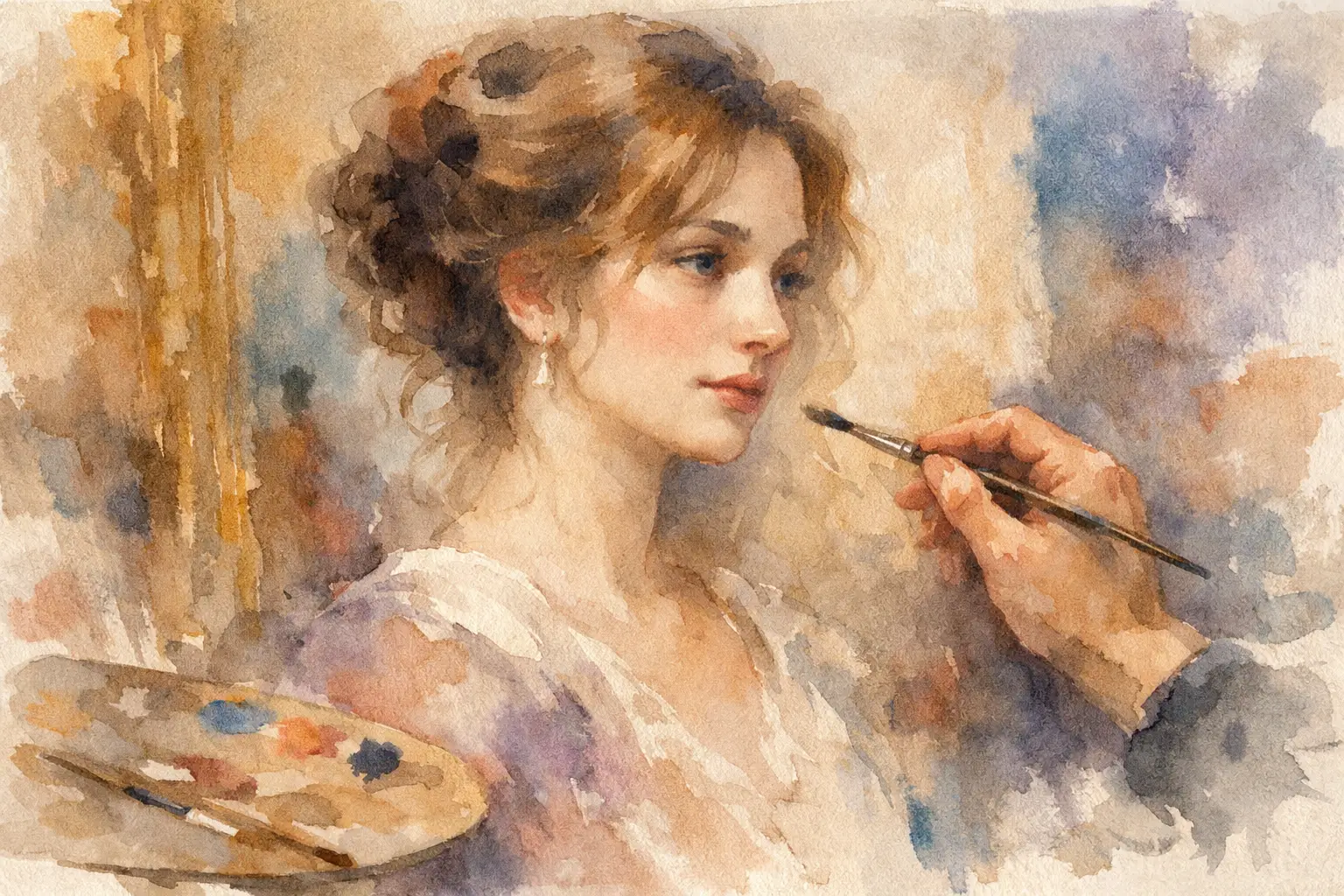
A favorite photo can live on your phone for years and still never feel finished. A gallery quality portrait painting changes that. It gives a memory weight, presence, and permanence – the kind that makes people stop in a doorway, smile, and say, “That’s exactly them.”
For many people, the phrase sounds a little intimidating, as if it belongs only in formal galleries or high-end collections. In reality, gallery quality is less about exclusivity and more about standards. It means the artwork is created with skill, care, strong materials, and a level of finish that holds up beautifully over time. When you are investing in a custom portrait of a child, a beloved pet, a couple, or someone you miss deeply, those standards matter.
What gallery quality portrait painting really means
A gallery quality portrait painting should feel personal first, but it also needs to feel professionally made. That includes the obvious things, like accurate likeness and polished technique, and the less visible things, like composition, surface preparation, and durable materials. The best portraits do not just copy a photograph. They interpret it with an artist’s eye, bringing forward the warmth, character, and emotional truth that a camera can miss.
This is where many custom portraits separate into two very different categories. One is decorative and quick, often made to resemble the photo well enough for a casual gift. The other is heirloom-minded art, created to live in a home for decades and still feel moving every time you see it. A gallery quality piece belongs in that second category.
That does not mean every portrait has to be ultra-formal or painted in one strict style. Some families want realism. Others are drawn to a softer, more impressionistic look. Some clients want a masterwork-inspired painting with classical presence, while others want something lighter and more contemporary. Gallery quality is not about forcing one style. It is about executing the chosen style with confidence, intention, and craftsmanship.
The difference is in the details
When people look at a finished portrait, they often notice the eyes first. That makes sense. Eyes create connection. But the real strength of a painting shows up across the whole surface – in the skin tones, the fur texture, the transitions in light, the balance of the background, and the way the composition guides your attention.
A skilled artist knows how to simplify where needed and refine where it counts. Too much detail everywhere can make a painting feel stiff. Too little can make it feel unfinished. A gallery quality portrait painting finds the balance. It captures likeness without flattening personality.
Materials play a major role here too. Professional-grade paints, archival surfaces, and thoughtful finishing all affect how the artwork looks now and how it ages later. Cheap materials may seem fine at first, but over time they can dull, discolor, or lose their richness. If a portrait represents someone deeply meaningful, it deserves to be built to last.
There is also the matter of scale. A portrait meant for a hallway or above a mantel needs a different visual presence than one created for a bedside table or office wall. Quality includes understanding how the painting will live in a real space. Size, cropping, background treatment, and color harmony all shape that experience.
Why emotion matters as much as technique
Some portraits are technically competent and still leave people cold. Others make you feel something immediately. That emotional response is not accidental. It comes from an artist who understands that portraiture is not only about features. It is about relationship.
A memorial portrait should hold tenderness without feeling heavy-handed. A pet portrait should capture spirit, not just markings. A family painting should feel connected, even if the source photos were taken separately. A child’s portrait should preserve innocence and energy without becoming overly sweet. These are subtle decisions, and they matter.
This is one reason many clients prefer working directly with an experienced artist rather than ordering from an impersonal production process. A one-on-one commission allows room for conversation. You can share why the portrait matters, what mood you want it to carry, and which details are essential to get right. That personal guidance often makes the difference between a nice painting and one that feels deeply true.
Choosing an artist for a gallery quality portrait painting
If you are commissioning artwork for the first time, it helps to look beyond a few attractive sample images. Start by paying attention to consistency. Does the artist produce strong work across pets, children, couples, and memorial pieces, or do only a few examples stand out? Can they maintain quality across different expressions, lighting situations, and backgrounds?
You should also notice whether the portraits feel alive. Likeness is important, but so is presence. A strong artist captures not just what someone looked like, but something recognizable about who they are. That quality is hard to fake and easy to feel.
Reviews and client feedback can be especially reassuring here. People often describe the emotional moment of seeing the finished portrait for the first time, and that tells you a lot. Press features, exhibitions, and awards can also build confidence, not because they replace your personal taste, but because they signal professional credibility and sustained quality.
Price is another area where people hesitate, and understandably so. Gallery quality does cost more than mass-produced or highly simplified portrait options. At the same time, expensive does not always mean better. What you want is honest value – experienced artistry, professional materials, and a thoughtful process at a price that feels fair for the level of work. That middle ground is where many buyers find the most satisfaction.
The commission process should feel personal, not complicated
For most clients, ordering custom art is emotional enough without added confusion. The process should feel warm, clear, and manageable from the start. That often begins with photo selection. A good artist can work from photos, but they should also help you choose the strongest image or combine references when needed.
This part matters more than people think. Not every great photo becomes a great painting. Sometimes a snapshot has sentimental value but poor lighting. Sometimes the pose is perfect, but the background distracts. An experienced portrait artist can guide those choices and suggest adjustments that strengthen the final composition.
Communication is equally important. You should know what to expect in terms of timeline, size options, style direction, and revision policies. The process does not need to feel formal, but it should feel professional. Clear expectations create trust, and trust is essential when you are commissioning something so personal.
This is where a studio like Maryanne Chisholm Art stands out for many buyers. The experience is centered on collaboration, craftsmanship, and emotional storytelling, which makes the artwork feel both elevated and approachable. That combination is especially valuable for people who want something meaningful without feeling intimidated by the art world.
When a portrait becomes an heirloom
The most treasured portraits often begin as gifts. An anniversary. A wedding. A birthday for a parent. A memorial after the loss of a pet who filled the house with life. In those moments, people are not just shopping for wall decor. They are trying to honor a bond.
That is why gallery quality matters so much. A painting like this does more than fill a space beautifully. It carries memory forward in a way that feels substantial. Long after trends change and digital albums get buried, the portrait remains visible, grounding, and personal.
There is also a quiet generosity in giving someone artwork made just for them. It says that their story is worth preserving with care. It says this relationship, this life stage, this beloved face deserves more than a quick print or passing gesture. Few gifts communicate that as powerfully as a hand-painted portrait.
Is gallery quality always the right choice?
It depends on what you want the artwork to do. If you need a casual decorative piece or a fast, low-cost novelty gift, gallery quality may be more than the moment requires. But if the portrait is meant to mark a milestone, honor a memory, or become part of your home for years to come, quality is not an extra. It is the point.
The right painting should feel beautiful on the wall, but also reassuring in a deeper way. It should reflect skill you can see, materials you can trust, and care you can feel. That is what turns a commissioned portrait from a simple purchase into something lasting.
If you are considering a custom portrait, look for the artist who helps you feel seen as much as the subject will be. The best work begins there, with attention, trust, and the belief that every brushstroke tells a story worth keeping.