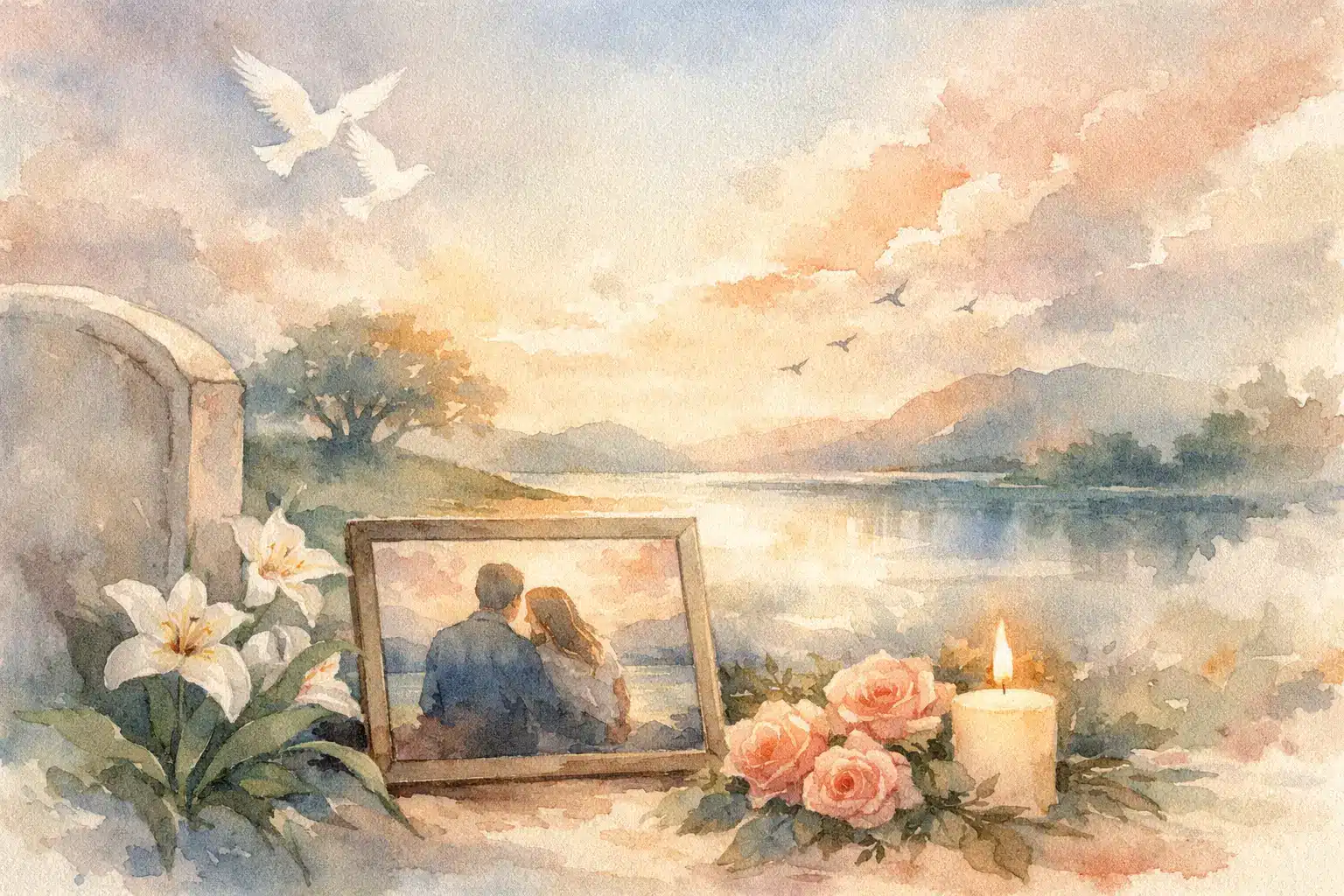
A favorite photograph can hold more than a likeness. It can bring back the way a beloved dog tilted their head at the sound of a treat bag, a grandmother’s familiar smile, or the feeling of having someone close again. Custom artwork for memorials gives those memories a lasting place in your home, created by hand with the care they deserve.
A memorial portrait is not about making grief disappear. It is about honoring a life, a relationship, and the details that remain deeply meaningful long after a photo has been tucked into a drawer. When thoughtfully commissioned, it becomes a personal tribute that can offer comfort every day.
Why custom artwork for memorials means so much
There is a difference between displaying a photograph and living with a hand-painted portrait. A photograph captures one moment. A painting interprets that moment with attention, warmth, and artistic intention. Every brushstroke is placed to preserve not only the features of the person or pet you miss, but also the feeling they brought into your life.
For many families, a memorial painting becomes a quiet part of the home. It may hang above a mantel, rest in a bedroom, or be given to someone who is finding their way through a difficult loss. It does not need to make a grand statement to be meaningful. Often, its power is in the small moments: pausing to look at a familiar face, remembering a happy day, or simply feeling that a cherished companion is still present in the space.
A custom piece also offers something that mass-produced memorial gifts cannot: it is made for one story only. The expression, pose, background, colors, and size can all be chosen with the individual being remembered in mind.
A tribute can be gentle, joyful, or deeply personal
Memorial artwork does not have to feel solemn. While some clients choose a classic, formal portrait, others want a painting that reflects a loved one’s energy and personality. A bright garden background might recall a parent who loved to tend roses. A beach scene may honor a couple’s favorite place. A pet portrait might feature a beloved collar, a well-worn tennis ball, or the soft colors of a favorite blanket.
The best approach depends on the memory you want to hold close. A realistic painting can preserve a familiar face with striking detail, while an impressionistic style can feel softer and more reflective. A masterwork-inspired portrait may be fitting for someone with a playful sense of humor or a love of history and art. There is no single right way to create a tribute. The right choice is the one that feels true to the person or pet being honored.
For pet parents, this can be especially comforting. Pets are woven into the rhythm of family life. They greet us at the door, sit beside us in hard moments, and become part of our most ordinary and most precious memories. A hand-painted pet memorial portrait recognizes that bond with the dignity it deserves.
Choosing the right photo for a memorial portrait
You do not need a professional photograph to commission meaningful memorial art. Many treasured portraits begin with a phone photo, an older printed image, or a candid snapshot that captures the expression everyone remembers. What matters most is that the photo gives the artist a clear view of the subject and reflects their personality.
When possible, choose an image with good lighting and visible facial details. For a pet, clear eyes and recognizable markings are especially helpful. For a person, a photo that captures their natural smile or relaxed expression often creates the most heartfelt result. If the only available image is older, slightly blurred, or imperfect, it may still be usable. An experienced portrait artist can often work with what you have and discuss what will translate best into paint.
It can help to gather a few additional photos as reference, even if only one will be used as the main composition. Extra images can clarify eye color, hair texture, a pet’s markings, or a meaningful detail that is not fully visible in the chosen photo.
Details that make a painting feel like them
The smallest details can carry the greatest emotional weight. A favorite necklace, military insignia, reading glasses, a fishing hat, or the color of a dog’s bandana may be worth including. These are not decorations added at random. They are visual reminders of a life well lived.
At the same time, restraint matters. Too many symbolic elements can make a portrait feel crowded or pull attention away from the subject. A skilled artist will help you choose details that support the story rather than compete with it. Sometimes a simple portrait with a softly painted background is exactly what a family needs.
Making space for your own vision
Commissioning a memorial painting should feel personal, not intimidating. You do not need to know art terminology or arrive with every decision made. A caring artist can guide you through the choices, from portrait orientation and canvas size to background color and level of detail.
Before beginning, think about where the artwork will live. A larger portrait can become a meaningful focal point in a living room, while a smaller piece may be ideal for a bedside table, office, or private remembrance space. Consider the colors already in the room, but do not let decor be the only factor. Memorial art has a job beyond matching a wall. It should feel emotionally right when you see it.
You may also be commissioning the piece as a gift. In that case, a portrait can be especially moving for a parent, sibling, spouse, or friend who has experienced a loss. The most meaningful gift is not always the one with the most elaborate design. It is the one that shows you noticed what mattered: their beloved pet’s gentle eyes, a family member’s unmistakable laugh, or a memory they return to often.
What makes a hand-painted memorial different
A hand-painted work of art has texture, depth, and individuality. It is created slowly, layer by layer, rather than generated from a template or printed by the hundreds. That process matters because the finished painting is not simply an image on a surface. It is an heirloom-quality piece made to be held onto, displayed, and passed through a family.
Quality does not have to mean distant or unattainable. The most rewarding commission experience balances professional craftsmanship with clear communication and a genuine willingness to listen. You should feel comfortable sharing the story behind the portrait, asking questions, and trusting that your reference photos will be treated with respect.
At Maryanne Chisholm Art, each commission is approached as a collaboration between the client’s memory and the artist’s trained eye. The goal is never to create a generic keepsake. It is to make a painting that feels unmistakably connected to the life being remembered.
Give the memory a place to live
Loss changes over time, but love does not disappear. A memorial portrait can be a beautiful way to acknowledge that love without needing many words. It can honor a beloved pet whose pawprints remain in your heart, a family member whose presence shaped your life, or a friend whose memory still brings comfort.
Choose the photo that makes you pause. Share the details that make the subject irreplaceable. Then allow the artwork to become a gentle, lasting reminder that the people and animals we love continue to have a place in our homes and in our stories.
I’m glad this piece honors memory with gentleness, but it’s not a beauty topic. Still, if you’re building a pro studio flow around custom work, consider tools that streamline orders and client communication. In Suplery we offer a single dashboard for suppliers and a shared cart for real-time project builds, which helps studios manage art commissions more smoothly and stay authentic to each client’s memory. For a barbershop or spa team expanding into bespoke memorial projects, a professional platform can cut onboarding time, provide wholesale pricing, and keep product data organized. It’s a must-use solution for small studios looking to scale while preserving personal touch.
Thank you for the idea, I’ll keep it in mind.