
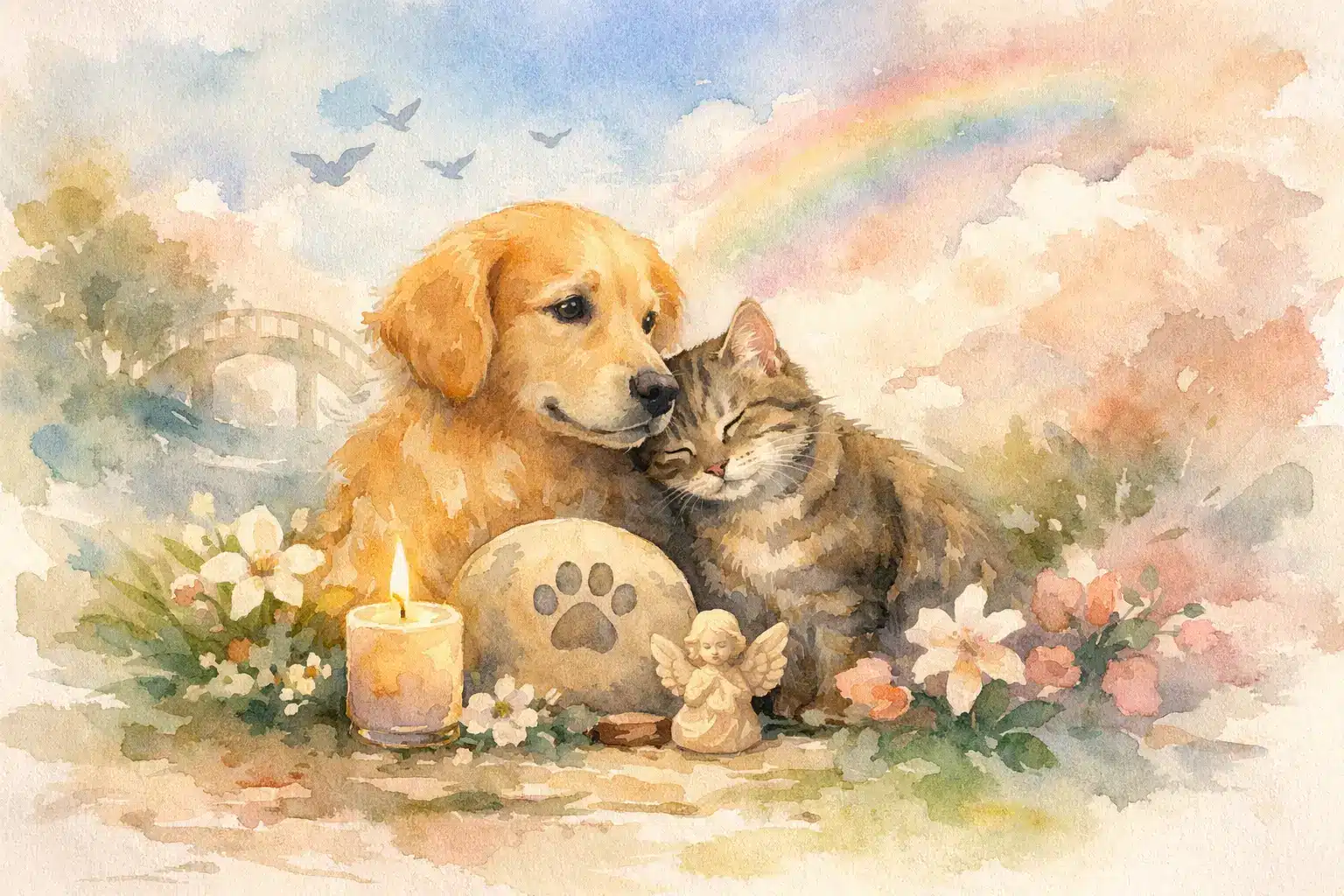
The photograph may show a muddy nose, one ear tipped sideways, or the familiar spot where your dog waited for dinner. Those details are not small when a beloved pet is gone. A guide to commissioning pet memorial art begins there: not with a generic image of an animal, but with the unmistakable personality of the companion who made your home feel like home.
A hand-painted memorial portrait gives that relationship a lasting place in your life. It can be a private comfort, a meaningful gift for someone grieving, or an heirloom that keeps a pet’s bright, particular spirit present in the rooms where memories are made. The process does not need to feel intimidating. With a few thoughtful choices, you can commission artwork that feels deeply personal and beautifully finished.
Begin with the feeling you want the portrait to hold
Before choosing a size or gathering photos, consider what you want to feel when you see the painting. Some families want a joyful portrait that recalls the pet at their happiest – running through leaves, tilting their head for a treat, or lounging in a favorite sunny spot. Others prefer a calm, dignified image that honors a long life and a quiet companionship.
Neither approach is more meaningful. A memorial portrait can be bright and playful, tender and peaceful, or classically elegant. The right direction is the one that sounds most like your pet. Think about the words you would use to describe them: devoted, mischievous, gentle, stubborn, watchful, silly, regal. Those words can help guide the pose, expression, color palette, and overall style.
If the portrait is a gift, gently consider the recipient’s home and personality, too. A vibrant painting may be perfect for someone who wants to celebrate every happy memory. A softly composed portrait with a neutral background may suit someone who prefers a quieter remembrance.
Choose reference photos that show personality
You do not need professional pet photography to commission a beautiful painting. The strongest reference photo is usually one that captures a familiar expression and gives the artist enough visual information to work from. Clear lighting, a visible face, and sharp eyes are especially helpful.
A close-up can make a wonderful portrait reference, but it is wise to share several additional photos whenever possible. Different images help an artist understand coat color, markings, eye color, body shape, and the little features that may not be visible in one favorite photograph. Perhaps your cat had a tiny white patch under her chin, or your senior dog’s muzzle had turned silver over the years. Those are often the details that make a finished portrait feel instantly, unmistakably right.
Do not dismiss an imperfect photo too quickly. A treasured image may be a bit dark, grainy, or cropped, yet still hold the expression you love most. An experienced portrait artist can often use supporting photos to clarify missing details. It depends on how much information is available, so it is always best to share the favorite image along with any helpful alternatives.
Decide on style, background, and meaningful details
The best pet memorial paintings do more than reproduce a photo. They preserve character while creating a piece of art that belongs in your home. This is where a conversation about style matters.
A realistic portrait is an excellent choice when you want every marking, texture, and expression rendered with close attention. An impressionistic approach can bring softness, movement, and a more atmospheric feeling. A masterwork-inspired style may be especially fitting if you love traditional art and want a portrait with a timeless, formal presence.
The background deserves equal thought. A simple background often keeps attention on your pet’s face and works beautifully with many decorating styles. A softly suggested landscape can evoke a favorite walk, beach, backyard, or window perch without competing with the portrait. If a setting carries special meaning, mention it. The artist can advise whether it will enhance the composition or whether a more restrained treatment will create a stronger final painting.
Small personal touches can make memorial art feel even more intimate. You might include a favorite collar, a bandana, a beloved toy, or flowers that remind you of a season shared together. These details work best when they support the portrait rather than overwhelm it. One carefully chosen element can say more than a crowded collection of symbols.
Select a size that suits both the pet and the space
Size changes the emotional presence of a portrait. A smaller painting can feel private and precious, ideal for a bedside table, reading nook, or gallery wall. A larger canvas creates a more commanding tribute and gives the artist room to capture expressive eyes, flowing fur, and fine details.
Start by thinking about where the painting will live. Measure the available wall space and consider nearby furniture, frames, and lighting. A memorial portrait should have room to breathe, rather than feeling squeezed between unrelated decor.
There is also a practical trade-off. Larger paintings allow for more detail and a stronger visual impact, but they usually require a larger investment and may take more time to complete. For a close-up head-and-shoulders composition, a moderate size can be remarkably powerful. If you hope to include a full body, multiple pets, or a detailed setting, a larger format may better serve the artwork.
What to ask before commissioning pet memorial art
A meaningful commission should feel personal from the first conversation. You are trusting an artist with a memory that matters, so it is reasonable to ask about the process, materials, timeline, and what is included in the price.
Ask whether the portrait is hand-painted and what surface and paints will be used. Gallery-quality materials and careful craftsmanship help ensure that the work is made to be displayed and cherished for years. You may also want to know how the artist handles reference images, whether they offer guidance on composition, and how they communicate during the commission.
It helps to be clear about your hopes at the beginning. Share the photo you love most, explain which features are essential, and say whether you envision a realistic or more expressive result. If your pet’s eyes were the feature everyone remembered, say so. If the portrait must be ready for a birthday, holiday, or anniversary, discuss timing early rather than treating it as an afterthought.
A good artist will be honest about what is possible from the available photos. They should also make the experience feel welcoming, not overly technical or confusing. At Maryanne Chisholm Art, the commission process is built around one-on-one collaboration, so each client can feel confident that the finished work honors both the pet and the memory behind it.
Give yourself room for the emotional side of the process
Commissioning a memorial can stir up grief, even when the decision feels comforting. That is normal. You may find yourself looking through old photos longer than expected or changing your mind about which image best represents your pet. Give yourself permission to take a little time.
At the same time, do not wait for a feeling of perfect readiness. There may never be one. Many people find that choosing a portrait becomes a gentle way to tell the story of a pet they loved – the routines, the adventures, the quiet loyalty, and the moments that seemed ordinary until they became precious.
If you are commissioning art for someone else, avoid assuming that a memorial must be solemn. The most thoughtful gift often reflects the pet’s true nature. A painting of a cheerful Labrador with a tennis ball, a dignified old cat in a sunbeam, or a spirited little terrier with bright, alert eyes can bring warmth alongside tears.
Plan for a portrait that can be cherished for years
Once your painting arrives, choose a place where you will naturally see it. Some people prefer a central room, where the portrait becomes part of family life. Others choose a quieter corner that feels more reflective. There is no wrong place for a tribute made with love.
Protect the artwork from prolonged direct sunlight, moisture, and extreme temperature changes. If it is framed, select a frame that supports the style of the painting and your home rather than distracting from the pet. A well-chosen frame can make a custom portrait feel even more like the heirloom it is meant to become.
The most meaningful memorials are not about holding on to a single moment exactly as it was. They are about giving love a visible form. Choose the photo that makes you smile through the ache, share the details that mattered, and let a caring artist turn that memory into a portrait with a story in every brushstroke.