
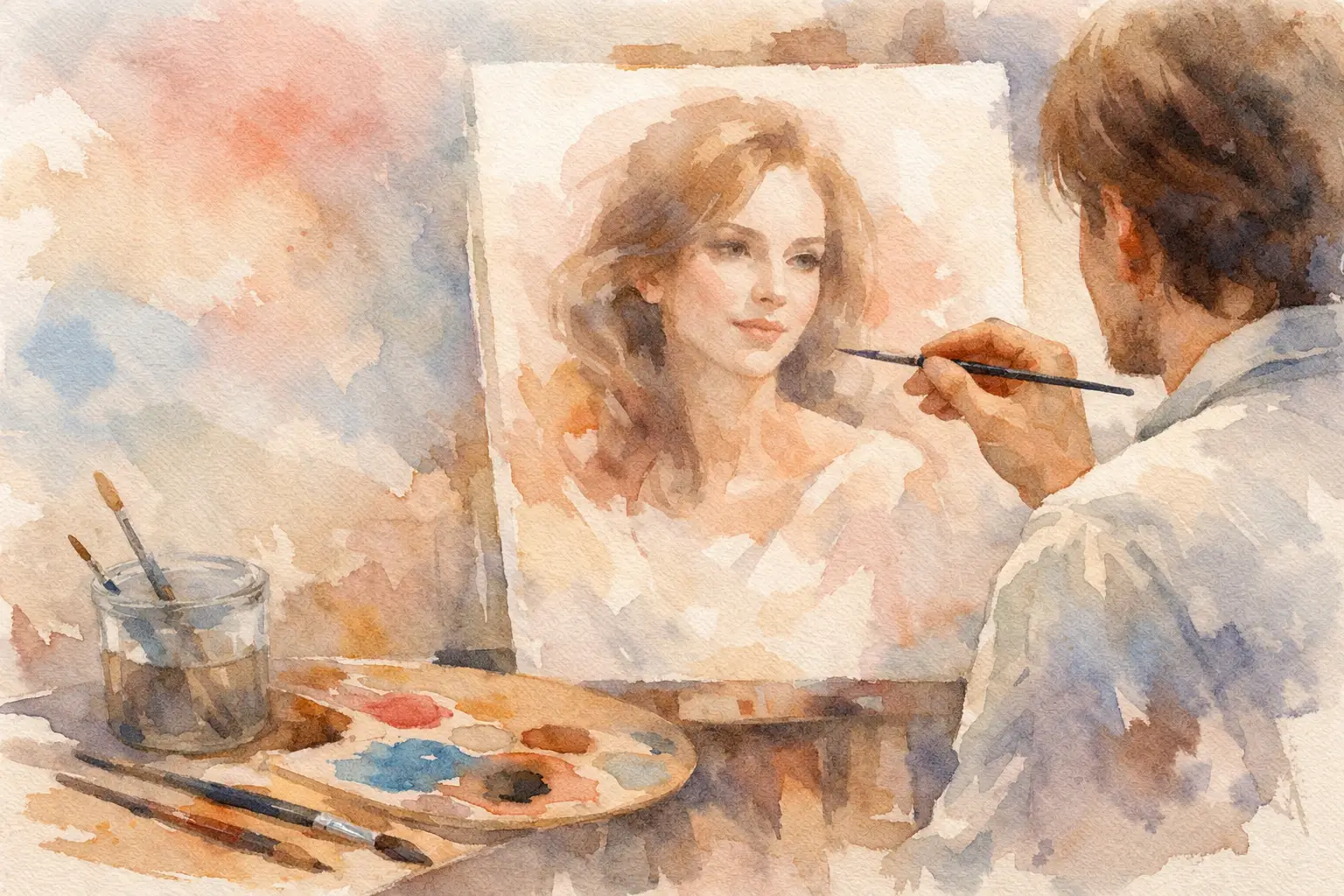
Some of the most meaningful art begins with a simple thought – I want to remember this person, this pet, this season of life in a way a photo alone cannot hold. If you’re wondering how to commission a portrait painting, the process is often much more personal, approachable, and rewarding than people expect.
A custom portrait is not just a purchase. It is a collaboration built around memory, feeling, and trust. Whether you are honoring a beloved pet, celebrating a wedding or anniversary, creating a family heirloom, or giving a gift that carries real emotional weight, the right portrait can become one of the most treasured pieces in a home.
How to commission a portrait painting with confidence
The first step is knowing what you want the painting to capture. That does not mean you need the perfect art vocabulary or a detailed creative brief. It simply means thinking about the heart of the piece. Are you hoping for warmth and tenderness? A sense of elegance? A faithful likeness? A memorial portrait that feels comforting rather than formal?
When clients begin with the story behind the portrait, the decisions that follow become easier. A child portrait might call for softness and light. A pet portrait may need to capture expression and personality above all else. A couple’s painting might matter most because of the connection between two people, not because every background detail is included. Knowing what matters most helps the artist guide the process in a way that feels personal rather than overwhelming.
Choose an artist whose work already feels right
One of the biggest mistakes people make is choosing based on price alone. Budget matters, of course, but portrait commissions are deeply personal. You want an artist whose existing work already reflects the feeling and finish you want in your own painting.
Spend time looking at the artist’s portfolio. Notice more than technical skill. Ask yourself whether the portraits feel alive, whether expressions look natural, and whether the work has consistency. If an artist paints pets beautifully but family portraits feel stiff, that matters. If memorial portraits feel gentle and respectful, that matters too.
This is also where style comes in. Some clients want realism with careful detail. Others prefer a looser, painterly finish that still feels recognizable but a bit more romantic or expressive. Neither is better. It depends on the memory you want the portrait to carry and where it will live in your home.
Trust is just as important as style. A strong commission artist should make the process clear, communicate well, and help you feel cared for from the beginning. For many buyers, especially first-time buyers, that reassurance matters as much as the artwork itself.
Start with the best photo references you can provide
Most commissioned portraits are created from photos, so your reference images shape the final result in a very real way. You do not need professional photography, but you do need photos that are clear, well lit, and true to the subject.
If you are commissioning a portrait of a person, look for images that show natural expression and good facial detail. Avoid heavily filtered photos or images taken from too far away. If the subject is a pet, choose photos that show the eyes clearly and capture the personality you know so well. The sweetest painting often comes from a photo that feels emotionally honest, not just technically perfect.
Sometimes clients want to combine elements from multiple photos. That can work beautifully, especially if one image has the right pose and another has the best facial expression. It can also be more complex, so it helps to be upfront about that early. A skilled portrait artist can tell you what is possible and where compromises may be needed.
Be clear about size, setting, and purpose
A portrait meant as a quiet memorial piece may be very different from one designed to anchor a living room wall. Before ordering, think about where the painting will hang and what role you want it to play.
Smaller portraits can feel intimate and are often ideal for gifts. Larger paintings make more of a statement and allow for more visual presence, but they also require stronger reference photos and a higher budget. If the painting is meant for a nursery, hallway, or gallery wall, scale matters. If it is a surprise anniversary gift, timing may matter even more.
Background is another choice worth considering. Some clients love a simple, understated background that keeps all focus on the subject. Others want meaningful details, like a favorite chair, a garden setting, or the suggestion of a beloved landscape. More detail can add narrative and emotional depth, but it can also shift the feel of the piece. It depends on whether you want the portrait to be timeless and minimal or rich with context.
Talk honestly about budget and timeline
Many people hesitate here because they assume custom art will be out of reach. In reality, pricing can vary widely based on size, number of subjects, medium, and complexity. The key is to ask clearly and early.
A professional artist should be able to explain what affects the price and what options are available. That conversation is not awkward. It is part of building a commission that fits both your vision and your comfort level.
The same goes for timing. If you need the painting by a birthday, wedding, holiday, or anniversary, say so from the start. Custom artwork takes time, especially when it is hand painted with care. Drying time, scheduling, revisions, and shipping all matter. Last-minute commissions are sometimes possible, but flexibility helps.
If you are ordering as a gift, it is often better to begin early rather than hope for a rush. That gives the artist the space to create something thoughtful instead of something hurried.
Understand the collaboration process
When people ask how to commission a portrait painting, they are often really asking what the experience will feel like. Will it be confusing? Will they have a say? Will they know what is happening along the way?
A good commission process should feel guided, not intimidating. In most cases, you will discuss the subject, share photos, review size and style options, and approve the direction before the artist begins. Some artists also provide progress updates or a review stage. Others prefer fewer interruptions so they can stay focused on the work. Neither approach is wrong, but it helps to know what to expect.
This is also the moment to talk about preferences. If there is a detail you especially love, mention it. If there is something you do not want emphasized, say that too. Maybe you want a pet’s playful tilt of the head captured exactly. Maybe you want a family portrait to feel polished but not overly formal. Clear communication helps the final artwork feel like yours from the very beginning.
For many clients, the most reassuring experience comes from working directly with the artist. That one-on-one connection makes it easier to ask questions, share the story behind the portrait, and feel confident that the finished piece is being created with genuine care. That personal approach is part of what makes commissioning with an artist like Maryanne Chisholm feel so meaningful.
Know what makes a portrait feel truly special
A successful portrait is not only about likeness. It is about presence. The best commissioned paintings hold onto something deeper than appearance alone. They carry affection, memory, and atmosphere.
That is why small decisions matter. The softness of light. The turn of a shoulder. The choice to simplify a background. The exact expression in the eyes. These are the details that can turn a nice painting into an heirloom.
This is also why cheap, mass-produced custom art often falls short. It may resemble the photo, but it does not always carry the same emotional truth. Hand-painted portraiture has lasting value because it is made with attention, interpretation, and time. Every brushstroke reflects a human hand responding to a real story.
Before you place the order
If you are almost ready, pause for one final check. Make sure you feel good about the artist’s style, communication, pricing, and process. Confirm the size, subject details, and timeline. Choose the reference photos that best represent the person or pet you love.
Most of all, trust your emotional instinct. If a certain artist’s work moves you, if their portraits feel tender, polished, and full of life, that is often the best sign you have found the right fit.
Commissioning a portrait should feel exciting, not stressful. At its best, it is a chance to turn a cherished memory into something lasting – a piece of art that keeps telling the story long after the moment itself has passed.